Uncover A Lifestyle That Inspires Your Journey

Our Stories

From unforgettable places to meaningful moments, our stories spark curiosity and awaken the spirit of yachting. Let them guide and inspire your next journey. Enjoy.

The Hands That Are Still Working
Culture

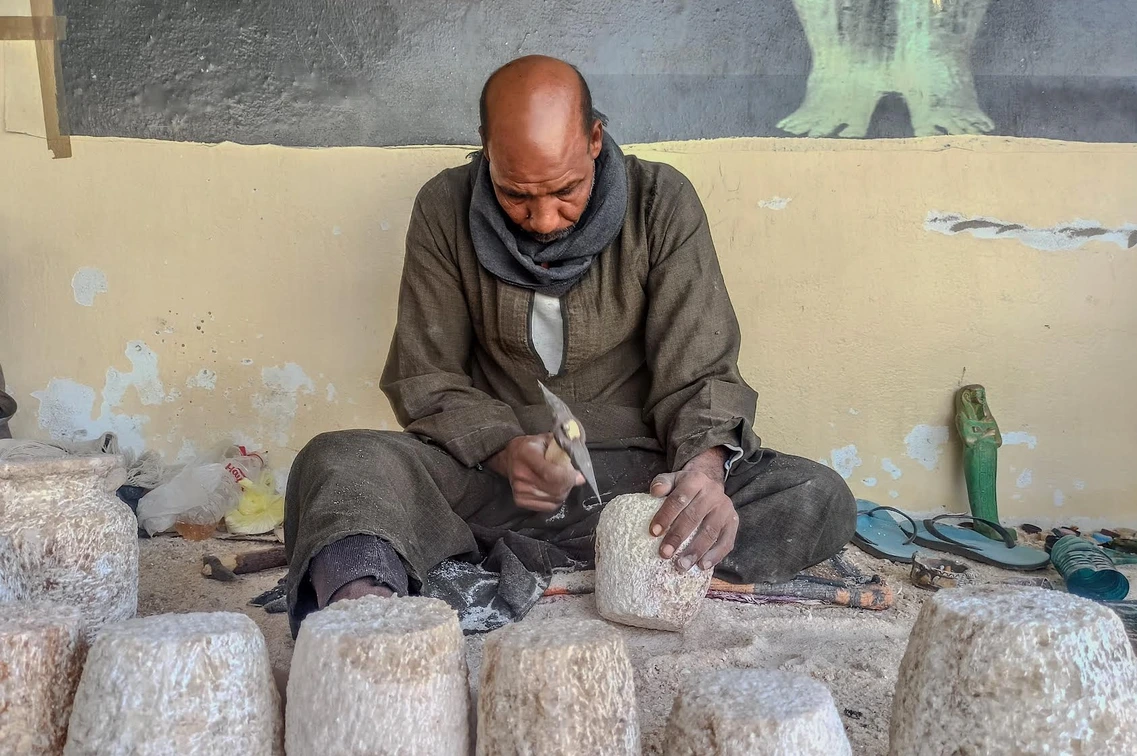
The Hands That Are Still Working

There is a moment in almost every alabaster workshop on the Luxor west bank when the man carving stops, picks up the piece he has been shaping, and holds it in front of a bare bulb. The stone goes translucent. You can see his fingers through it, dark, moving on the far side. It gets the same reaction every single time, and he knows it does, and he does it anyway with the timing of somebody who has done it ten thousand times and still likes the trick.

What I Watch For From the Deck
Nature

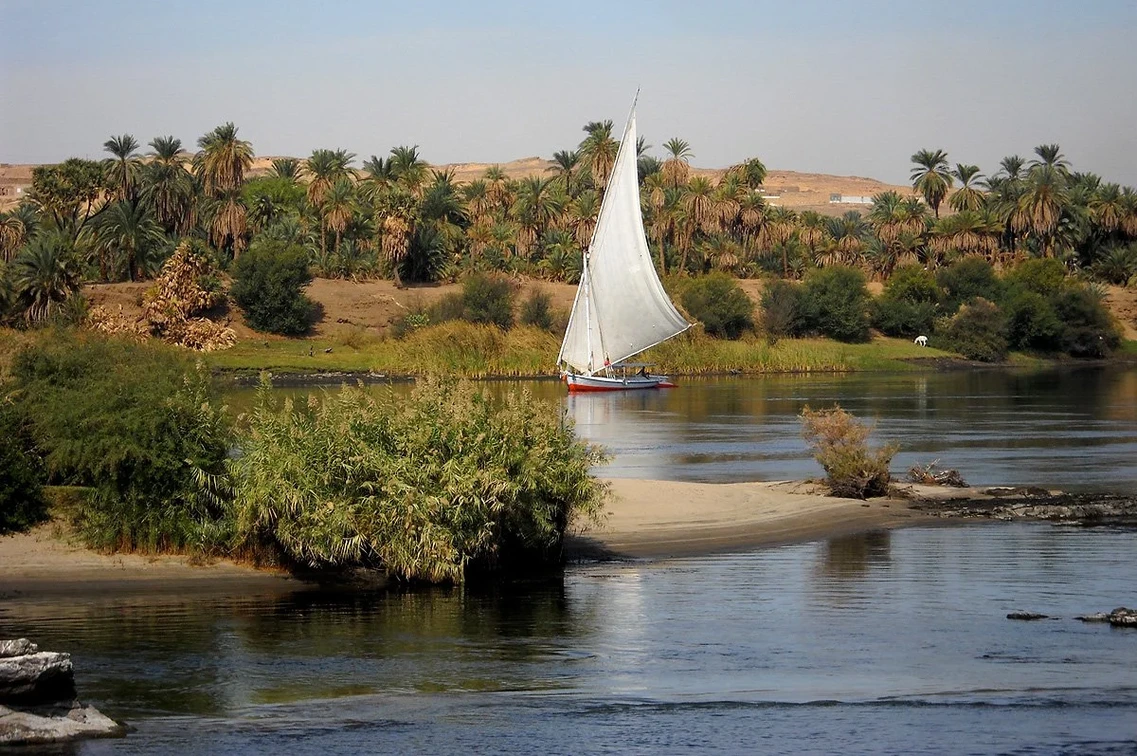
What I Watch For From the Deck

Most guests come up to the sundeck on the first afternoon with a camera pointed at the temples on the bank. I understand it. But by the second day, almost everyone has turned the camera the other way, at the water, and started asking me what the small black and white bird is. It is a pied kingfisher, and once you notice one you will not stop noticing them.

The Colour of a Nubian House
Culture

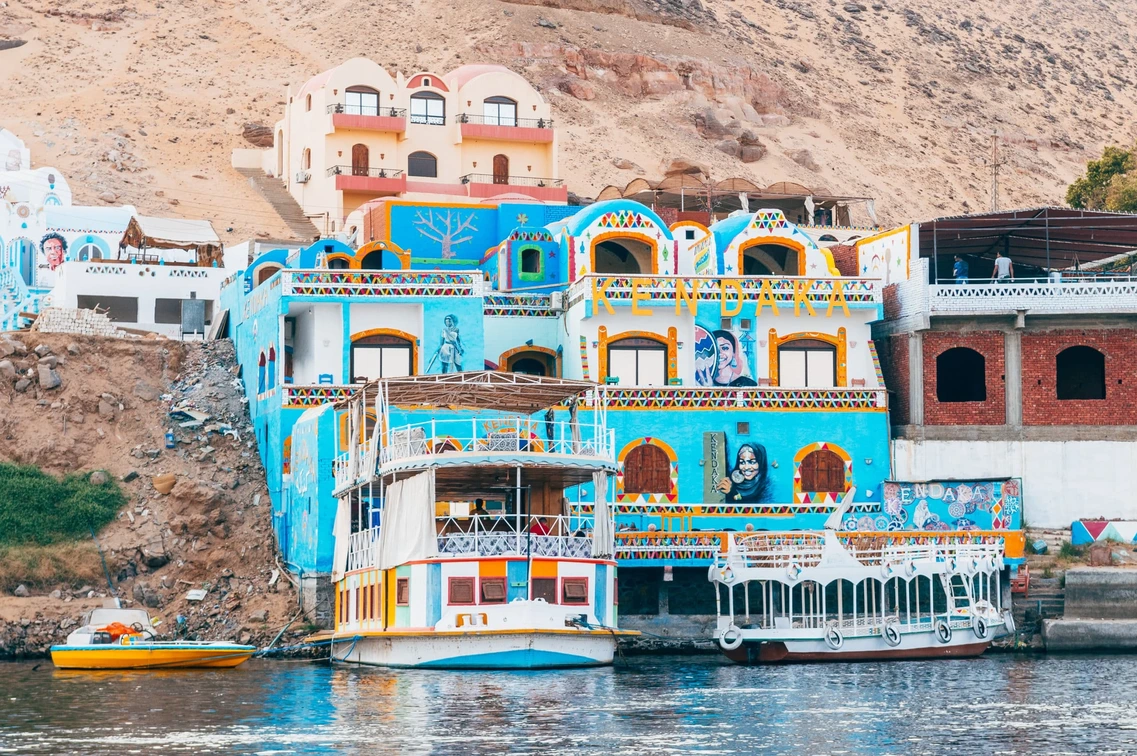
The Colour of a Nubian House

I want to tell you about a doorway. It is in Gharb Soheil, on the west bank at Aswan, about halfway up the sandy lane that climbs from the water. The wall around it is whitewashed. The doorframe is painted a blue so saturated it looks wet, and above the door there are three plates set into the plaster, and a row of hand painted triangles in ochre and green running along the top of the wall. A woman I have known for years lives behind it. Her mother painted that frame. Her daughter repaints it now, the same colour, because that is the family's blue. I have taken hundreds of people past that door and I have never once got there without somebody stopping.

The Temple That Spent Half A Century Underwater
History

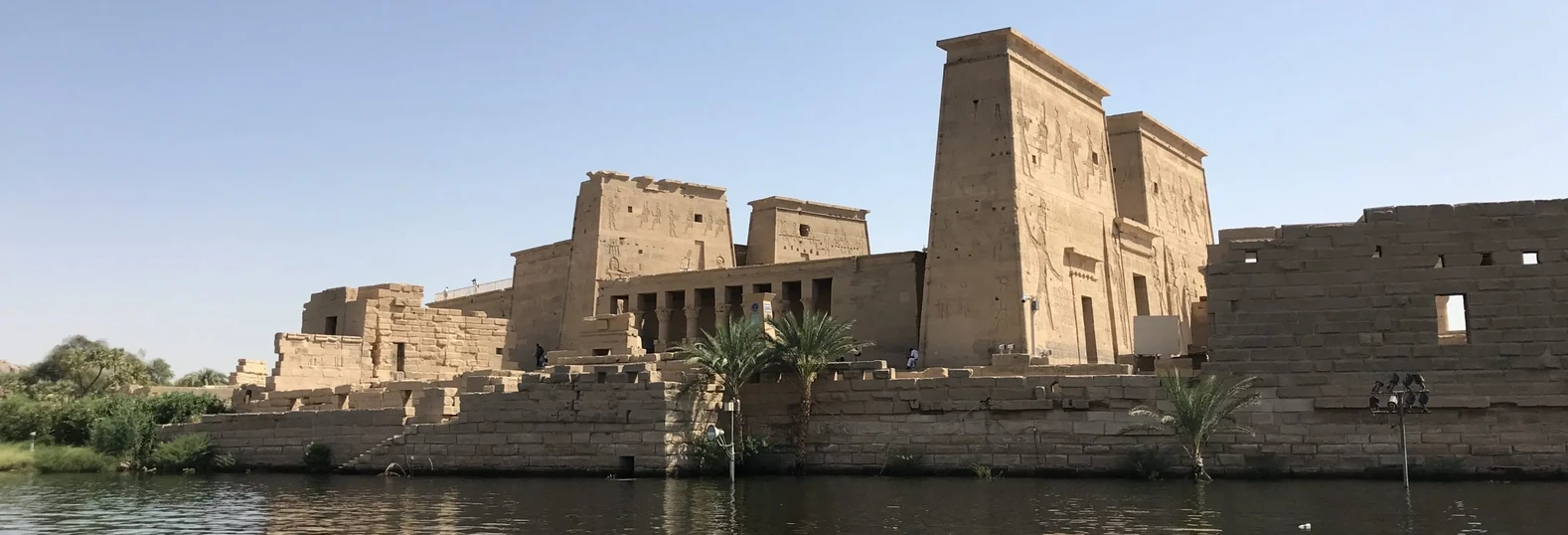
The Temple That Spent Half A Century Underwater

The first thing you should know about Philae is that you cannot walk to it. You get in a small boat at a jetty south of Aswan, and a man in a long white galabeya casts off without much ceremony, and for about ten minutes there is nothing to do but sit. Granite islands slide past, black and rounded, polished by water. The engine is loud. Nobody talks much. Then the boat comes around the last rock and the temple is simply there, sitting on the island with its feet in the river. I have made this crossing since I was a boy, and I still turn my head at the same moment.

The Village Of The Men Who Built The Valley Of The Kings
History

The Village Of The Men Who Built The Valley Of The Kings

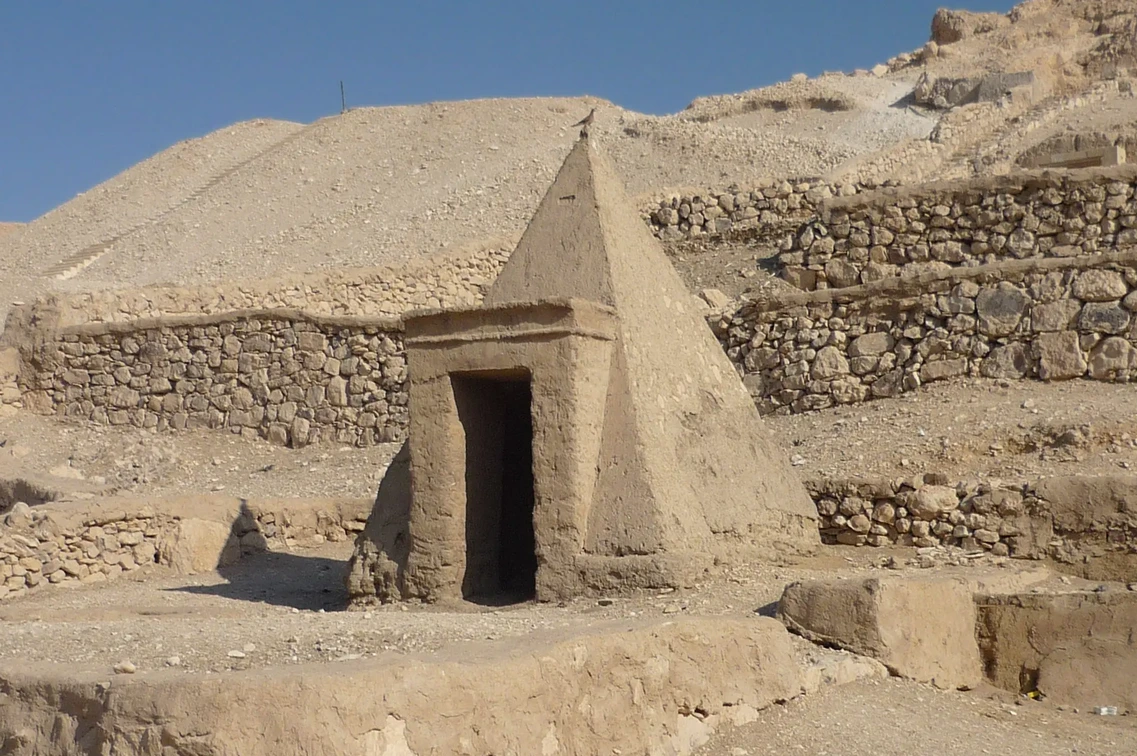
I have walked into the Valley of the Kings more times than I can count, and I still feel the same thing every time: the air changes at the entrance to a tomb. It goes cool and dry and slightly mineral, like the inside of a stone jar. But the place I quietly hope people will let me take them is fifteen minutes south of there, and almost nobody asks for it by name. It is a small village of low stone walls, laid out on a slope of pale rubble. From the road it looks like the foundations of something that never got finished. My grandfather called it the place of the workers. Archaeologists call it Deir el-Medina. This is where the men who built the royal tombs lived. Not the pharaohs. The carvers, the plasterers, the draughtsmen, the scribes. The ones who did the work.

Get In Touch With A Personal Cruise Consultant

cover

Helwa Ya Baladi

Dalida

0:00
0:00
Forward